What Is Mold on Floor Joists?
Mold on floor joists indicates burgeoning fungal growth, which thrives in damp environments often found in crawl spaces or basements. It’s crucial to distinguish between surface mold and wood decay fungus;
- the former can typically be cleaned away,
- the latter signifies more profound structural damage.
What Causes Mold to Grow on Floor Joists?
Mold on floor joists typically signals a moisture problem. This unwelcome growth often stems from persistent dampness caused by issues like:
- leaky pipes,
- faulty fixtures,
- a compromised roof.
Additionally, elevated humidity can lead to condensation, further exacerbating the conditions that allow mold to flourish.
What Are the Risks of Mold on Floor Joists?
Mold on floor joists poses two significant issues:
- it degrades indoor air quality by releasing allergens, irritants, and mycotoxins, which can exacerbate respiratory problems such as asthma,
- mold compromises structural integrity; specific types, particularly wood decay fungi, directly attack and soften porous wood, severely reducing the joists’ supportive capacity.
How to Prepare for Mold Removal on Floor Joists
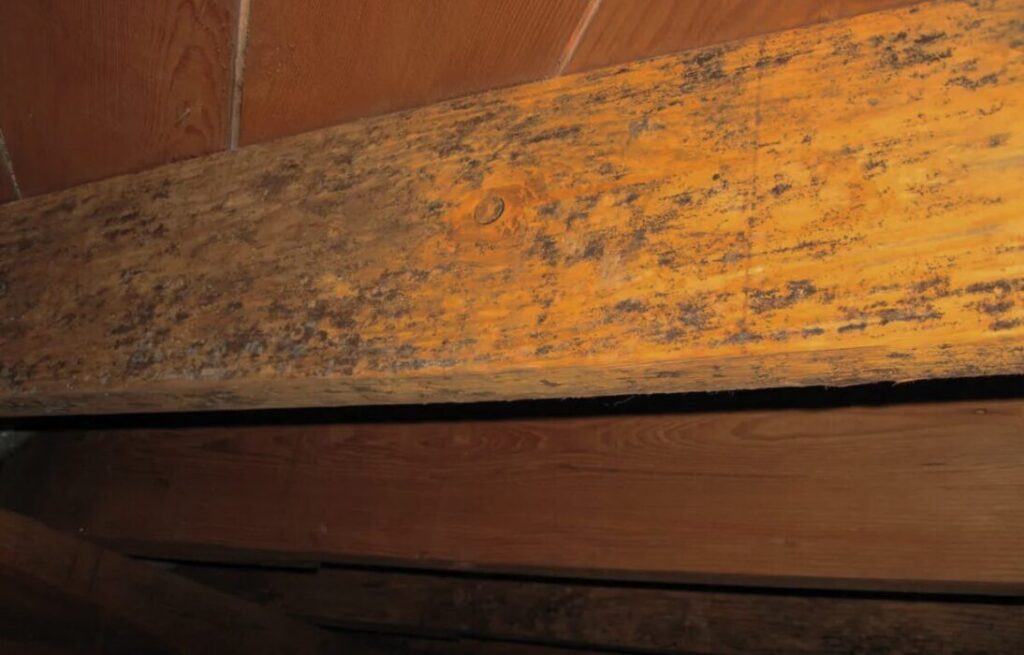
Thorough preparation is crucial for safe and effective mold removal. Begin by identifying and repairing the moisture source that contributes to mold growth. After addressing the moisture issue, assemble your protective equipment. Donning your personal protective gear minimizes health risks and ensures successful mold remediation.
How to Identify and Fix the Moisture Source
Effective mold removal begins by identifying and resolving the moisture problem at its source. This is paramount. Scrutinize your surroundings for active water leaks, including plumbing issues, faulty fixtures, or damage to your roof. Address these problems promptly. Additionally, reduce high humidity levels in the affected area; controlling dampness is vital as it prevents condensation and inhibits further mold growth, ensuring a thorough and lasting solution.
What Protective Gear Is Necessary for Mold Removal?
First, ensure your respiratory safety with an N95 mask or a reliable respirator. Then, protect your hands with a good pair of gloves. Finally, put on goggles or other eye protection to guard against spores and chemicals during the removal process.
How to Remove Mold from Floor Joists Effectively
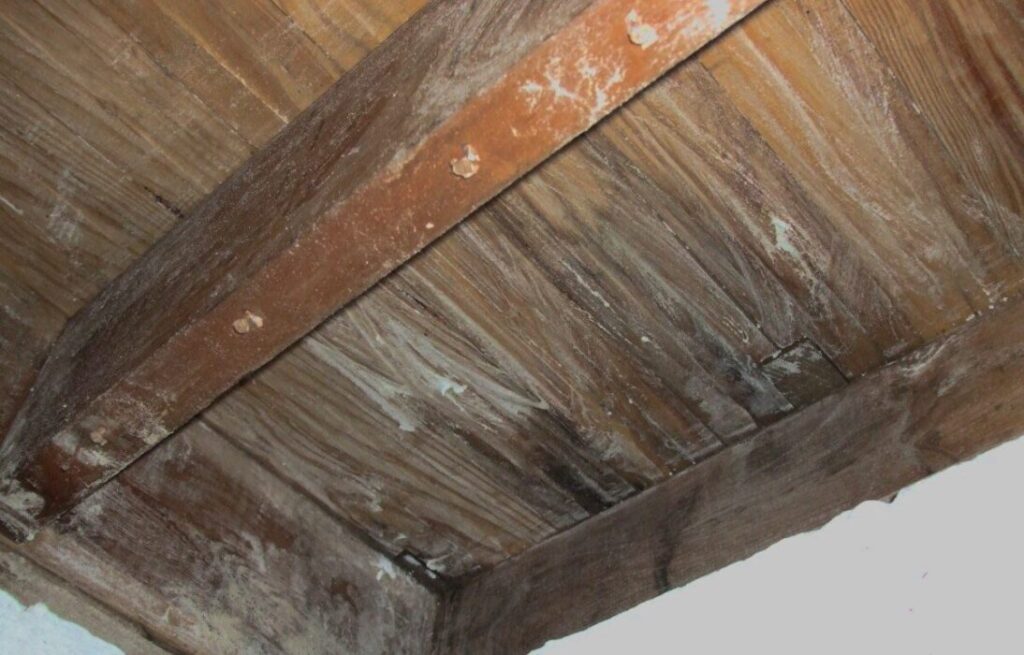
Removing mold from wooden floor joists demands a careful, three-part approach.
- apply specialized cleaning solutions,
- diligently scrub the compromised areas,
- ensure they are thoroughly dry.
This process effectively eliminates mold, leaving your joists pristine.
What Cleaning Solutions Effectively Kill Mold?
Removing mold from wooden joists involves a precise three-step method: apply specialized cleaning solutions, thoroughly scrub the affected areas, and then ensure they are completely dry. This process effectively eliminates mold, leaving your joists clean and sound.
To tackle mold on floor joists, several powerful cleaning solutions are available, each with distinct advantages:
- undiluted white vinegar is a natural mold killer,
- a 3% hydrogen peroxide solution also proves effective,
- commercial mold cleaners like Concrobium offer another viable option,
- a bleach-to-water mixture (1:3 ratio) can dispatch surface mold, but use it cautiously on porous wood.
How to Clean Mold from Porous Wood
To begin, choose an effective cleaner such as vinegar or hydrogen peroxide. Generously apply it to the mold-affected wood, allowing it to penetrate the grain for 10 to 15 minutes.
Next, take a stiff brush, like a scrub brush, and vigorously scrub the mold spots. This action ensures the cleaner reaches deep into the wood, effectively dislodging and removing the mold.
Be mindful, though, of deeply embedded mold. If the mold has penetrated too far or softened the wood, simple cleaning may not suffice. In such cases, replacing the affected wood joist might be necessary to ensure safety.
What Tools and Techniques Are Effective for Scrubbing Mold?
To effectively tackle mold, begin with a stiff brush; its robust bristles will dislodge surface growth and spores embedded in the wood. For those tricky, confined areas or stubborn patches, smaller brushes are invaluable. Apply firm pressure and scrub in a circular motion, ensuring your cleaning solution penetrates thoroughly to lift all mold. Follow this immediately by wiping the area with a damp cloth to pick up any loose debris and excess cleaner, preparing the wood for drying.
How to Prevent Mold Regrowth on Floor Joists
Removing mold from floor joists is only the beginning; preventing its recurrence is crucial.
To effectively prevent mold from coming back, make sure to:
- thoroughly dry the affected area,
- apply specialized mold-resistant treatments,
- maintain low humidity levels, which will effectively inhibit further mold growth.
Taking these steps will safeguard your home’s structural integrity and enhance air quality.
How to Dry the Area After Mold Removal
Once mold is gone, thorough drying is essential to prevent its return.
Removing all moisture helps keep mold from reappearing. Use fans to circulate air, and dehumidifiers will further reduce humidity, creating an environment where mold can’t grow.
What Mold-Resistant Treatments Should You Apply?
After the joists have thoroughly dried, it’s crucial to apply mold-resistant treatments. This step is essential to prevent any recurrence of mold. These treatments often involve specialized sealants or protective coatings, which create a formidable barrier against future growth. Additionally, borate products such as Timbor are highly effective, acting as powerful fungicides and excellent wood preservatives, thereby inhibiting any new fungal development.
How to Maintain Low Humidity and Improve Ventilation
Beyond mere drying, effective mold prevention demands specialized, long-term strategies. A crucial step is maintaining low indoor humidity; mold thrives when relative humidity exceeds 60%. Dehumidifiers are invaluable in damp zones like basements and crawl spaces, actively reducing moisture levels. Simultaneously, ensure robust air circulation and proper ventilation throughout your property, as this vital combination significantly inhibits mold growth.
When Should You Replace Mold-Damaged Floor Joists?
Even with meticulous cleaning, certain instances of mold damage necessitate the replacement of floor joists. The need for such a critical step hinges on the mold’s penetration depth and whether the wood’s structural integrity has been severely compromised. Therefore, it’s crucial to diligently inspect for indicators of deeply embedded mold or the presence of wood decay fungus, as these are clear signals that replacement is absolutely essential for safety.
What Are Signs of Deep Mold or Structural Damage?
When examining floor joists, be on the lookout for critical signs.
Notably, soft or spongy wood often points to extensive mold growth, particularly in porous wood types. This texture change signifies considerable deterioration, as mold, a type of wood decay fungus, fundamentally weakens the joist’s structural integrity. When such weakening is evident, cleaning is no longer an adequate solution; the joist must be replaced to ensure safety.
Should You Seek Professional Mold Remediation?
When to call professionals for mold problems:
- for significant growth,
- if you suspect wood decay fungus,
- if the extent of the damage isn’t immediately clear.
Experts have specialized tools and knowledge to safely remove extensive infestations and address the underlying causes, ensuring a thorough remediation. Companies like Crawl Space Ninja even provide video guides to help homeowners make informed decisions.
While minor mold issues can be a DIY project, professionals are invaluable for extensive mold growth, suspected wood decay fungus, or if the damage is unclear. They possess specialized tools and expertise to safely remove large infestations and, critically, address underlying moisture problems, ensuring a complete cleanup and preventing mold recurrence. Many mold companies offer video guides to help homeowners understand their options and make informed decisions.