Does Apple Cider Vinegar Kill Mold?

Apple cider vinegar (ACV) kills mold because it contains acetic acid, which has antimicrobial, antibacterial, and antifungal properties. The pH level of ACV – between 2.4 and 3.5 – creates an acidic environment. This stops mold from growing and damages its cell walls.
This natural remedy works well for common, small mold problems; it removes about 82% of mold species. But ACV might not get rid of all the mycotoxins that mold produces. Still, it’s a natural, non-toxic, and cheap fix for minor mold issues.
How Does Acetic Acid in ACV Combat Mold?
Apple cider vinegar (ACV) gets its mold-fighting power from acetic acid. This acid, the main part of ACV, works as both an antifungal and antibacterial agent. ACV usually has 5-6% acetic acid, which makes it very acidic – a pH between 2.4 and 3.5. Mold spores, however, thrive in a milder environment, preferring a pH of 4 to 7. This heavy pH difference hurts the cell walls of fungal cells. It kills mold and stops it from growing back.
What Types of Mold and Surfaces Respond to Apple Cider Vinegar?
Apple cider vinegar (ACV) kills surface mold on porous and non-porous materials. It works on light mold, even common types like *Penicillium chrysogenum* and *Aspergillus*. ACV is perfect for small mold spots in bathrooms, kitchens, and window tracks. Non-porous surfaces like bathroom tiles and kitchen counters clean up well with ACV – mold does not get deep into them. ACV also stops mold from growing, but only for a little while.
What Are the Limitations of Apple Cider Vinegar for Mold Removal?
Apple cider vinegar (ACV) has real limits for mold removal. It is less potent than white vinegar – not as acidic – so it can’t handle some mold species, like *Aspergillus fumigatus*. The natural sugars in ACV also feed certain molds. This could even make the problem worse. ACV won’t kill all mold types; it might just slow growth instead of cleaning it all out.
Don’t use ACV for bad mold problems, like black mold (*Stachybotrys*), or mold deep inside HVAC systems. Its brown color and strong smell will stain white surfaces or carpets. The odor will linger too. ACV often isn’t strong enough for big mold issues or soft surfaces like drywall, where mold gets deep. It also fails to fix moisture problems, the real reason mold grows. You need professionals for any big mold infestations.
How to Use Apple Cider Vinegar for Mold Removal
To get rid of mold with apple cider vinegar (ACV), spray the undiluted liquid right onto the moldy spot. Let it sit there for a while. Then, scrub the area clean. If you’re using organic ACV, you might need to spray it several times over a few days. Once clean, dry the surface completely; this stops mold from growing back.
Add a few drops of tea tree oil to the ACV. This makes it work better and helps cover up the strong smell. Always wear gloves and a mask when you’re cleaning. This works well for small mold problems and helps prevent mold in damp places.
Apple Cider Vinegar vs. White Vinegar: Which is Better for Mold?
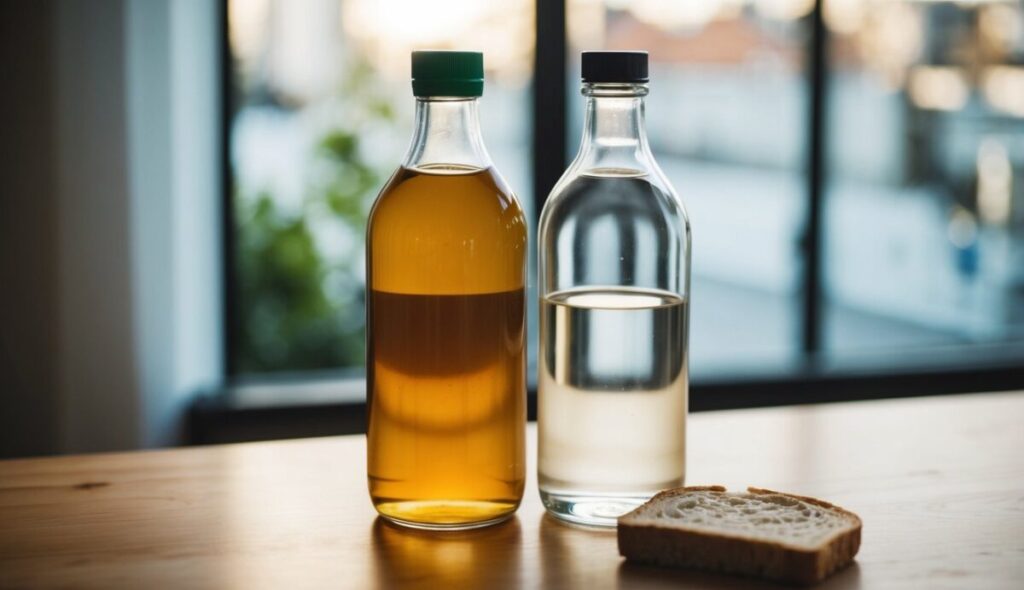
White vinegar usually beats apple cider vinegar (ACV) when you’re trying to get rid of mold. Regular white vinegar has 5-8% acetic acid and a pH of 2.5-2.7. ACV, however, contains 5-6% acetic acid and sits at a pH of 3.3 to 3.5. This difference means white vinegar is more acidic, hitting mold spores harder. Another point against ACV: it holds natural sugars. Those sugars might just feed the mold, a problem you don’t have with distilled white vinegar. So, many people choose distilled white vinegar for a stronger clean.
What Are the Benefits of Using Apple Cider Vinegar for Mold Cleaning?
Apple cider vinegar (ACV) offers several benefits for cleaning mold. It’s a natural agent, a non-toxic and eco-friendly alternative to strong chemical cleaners. This makes it safer for homes where kids or pets live. ACV costs less, too – it’s a cheap natural fix for mold trouble. Its acetic acid has antimicrobial powers, both antibacterial and antifungal. These stop mold from growing and kill spores. As a disinfectant, ACV helps get rid of bacteria and other germs. This keeps your home cleaner overall. These health perks mean ACV is a useful organic cleaner for small to medium mold patches and for stopping new growth.
What Safety Precautions Are Essential for Mold Remediation?
Taking on mold cleanup? You need to think about safety. Your main goal is to protect against mold exposure and keep spores from spreading through the air. Always put on protective gear – gloves, a mask (an N95 respirator is best for stopping spore inhalation), and safety goggles.
Open windows and doors to get air moving, or turn on fans. This helps clear mold spores and cleaning fumes from the work area. After you clean, dry everything completely. Moisture is what mold needs to grow, so drying things out prevents future problems. Got a bad infestation, black mold, or think there’s a hidden water problem? Call in the pros for remediation or advice.
Mold exposure can cause breathing issues, allergic reactions, or even mycotoxin sickness. And never mix vinegar and bleach; that creates dangerous chlorine gas. Controlling humidity and having good airflow also goes a long way in managing mold.