Does Baking Soda Kill Mold?
Baking soda, a common household product, kills mold and mildew. It also stops new mold from growing. Its power depends on how bad the mold is, what type it is, and if the surface is porous.
This powder can get rid of mold spores and existing mold. But it might not work for large or deeply set infestations. For small mold problems, baking soda is a good, non-toxic DIY cleaning option.
How Baking Soda Works to Combat Mold
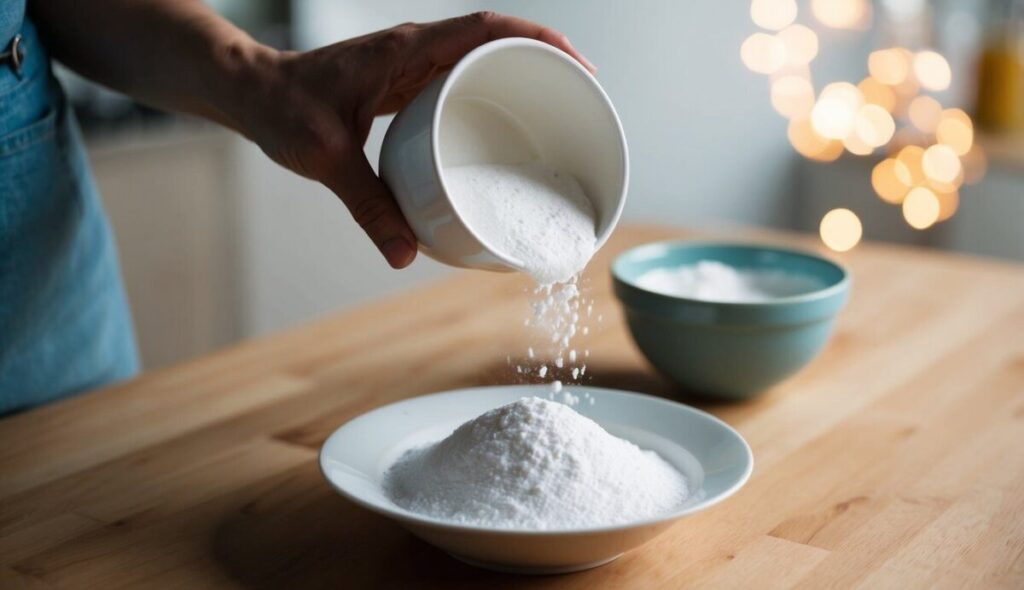
Baking soda, also known as sodium bicarbonate, fights mold in several ways. It has a mild pH of 9, making it alkaline. Mold prefers acidic places, so this high pH stops it from growing. The soda’s gritty texture helps scrub mold and biofilm away. Baking soda also soaks up moisture – a big reason mold grows in the first place – and its drying action breaks down mold cells.
Does Baking Soda Remove Mold Stains and Biofilm?
Baking soda tackles mold stains and biofilm. Mix it with water to make a paste; combined with vinegar, it cleans mold stains. This works particularly well on grout. It eliminates mold residue and gets rid of odors.
How to Use Baking Soda for Mold Removal
Baking soda clears away mold. The method depends on the surface and how bad the mold is. For surface mold, use a spray. A paste can tackle tougher stains. Always wear gloves and a mask – protection is key. Make sure the area has good airflow, too.
General Method for Surface Mold
Grab a spray bottle and mix 1 tablespoon of baking soda with 1 cup of water. Shake it until the baking soda disappears. Spray this on the moldy spot, then let it sit for about 15 minutes. Scrub it with a brush or sponge, then rinse with warm water. Make sure to dry the surface completely with a microfiber cloth. This cleaning trick works well on nonporous surfaces – for light mold or new mold spores.
Cleaning Mold with Baking Soda and White Vinegar
Baking soda and white vinegar make a popular team for DIY mold cleaning. Both kill mold because they have anti-fungal properties. Each one handles different species. You should apply them one after the other, never mixed directly, or they won’t work as well.
One common way to use them is to first treat mold stains with a paste of baking soda and vinegar, then scrub. Vinegar contains acetic acid, which works well on mold. Baking soda is mild, and it soaks up odors – a nice addition. Together, these two hit mold and mildew hard.
Using Baking Soda for Mold in Laundry
Baking soda handles mold on laundry well. Rub it right onto the moldy spots or toss some into your washing machine. For tougher mold stains, make a paste with backing soda and vinegar, then spread it on the mark before washing. Use hot water and detergent to clean the items. Rinse everything completely, then dry it all. This approach is safe for clothes, gets rid of mold, and kills bad smells.
Applying Baking Soda to Grout Mold
Baking soda fights grout mold, a common problem on bathroom walls. Mix equal parts baking soda and water, or baking soda and vinegar, to make a paste. Spread this paste right onto the grout. Let it sit for at least 10 minutes – give it two hours for very dirty grout. The baking soda’s grit scrubs mold from the grout’s porous surface. This simple method offers a quick DIY fix for bathroom mold.
When Is Baking Soda Effective for Mold?
When does baking soda actually work on mold? It’s really best for small mold spots or to stop mold before it starts. How well it works depends on a few things: the type of mold, if the surface is porous, and how long the mold has been there. But it’s a safe, helpful choice for regular cleaning and for surface mold.
Limitations: When Baking Soda Is Not Enough
Baking soda won’t fix serious mold issues. It misses mold spores, especially with a big contamination, stubborn growth, or dangerous types like black mold. The powder just doesn’t work well on porous stuff – mold gets too deep in those materials.
If you have a serious problem – over 10 square feet or black mold – you’ll need stronger chemicals or professional help. Other options include bleach, hydrogen peroxide, borax, tea tree oil, and grapefruit seed extract. Each of these has its own quirks and safety rules.
When to Contact Professional Mold Remediation Services
Big mold jobs need professional help. If mold spreads past 10 square feet, digs deep into wood or drywall, or is the “black mold” type, call in mold remediation experts. You also need pros if mold exposure leads to breathing problems or other health issues. These specialists have special tools for checking and fixing mold problems, and they stop mold from spreading to clean areas.
How Baking Soda Prevents Future Mold Growth
Baking soda stops mold from growing. It soaks up moisture, an important part of mold’s life cycle. This makes the area bad for mold. It cuts down humidity, which helps prevent mold over time. You can put it in damp spots – like bathrooms or next to humidifiers – to keep moisture down. Pair baking soda with good airflow and other humidity controls – a dehumidifier helps – and mold prevention gets much better.
What Are the Benefits of Using Baking Soda for Mold?
Baking soda cleans mold well. It’s a mild, non-toxic household cleaner, so families and pets stay safe. This product is cheap, easy to find, and won’t harm the environment. It has no smell of its own and absorbs other odors. Most important, it fights mold with its anti-fungal power. Baking soda works for many household jobs, making it a healthy option.